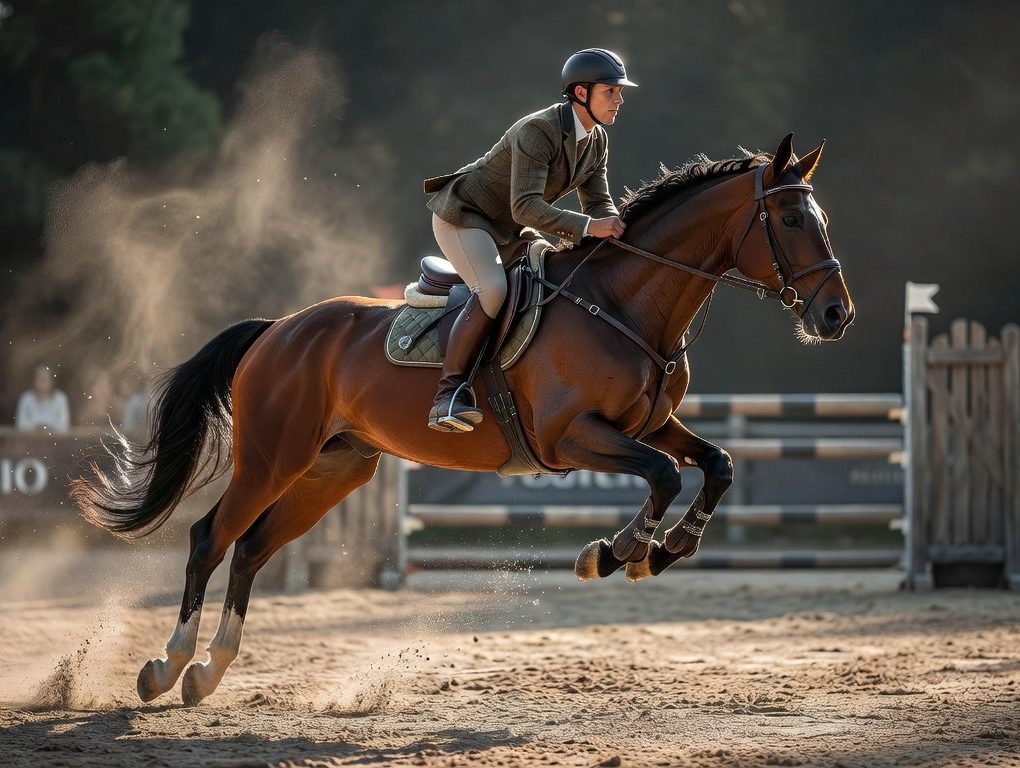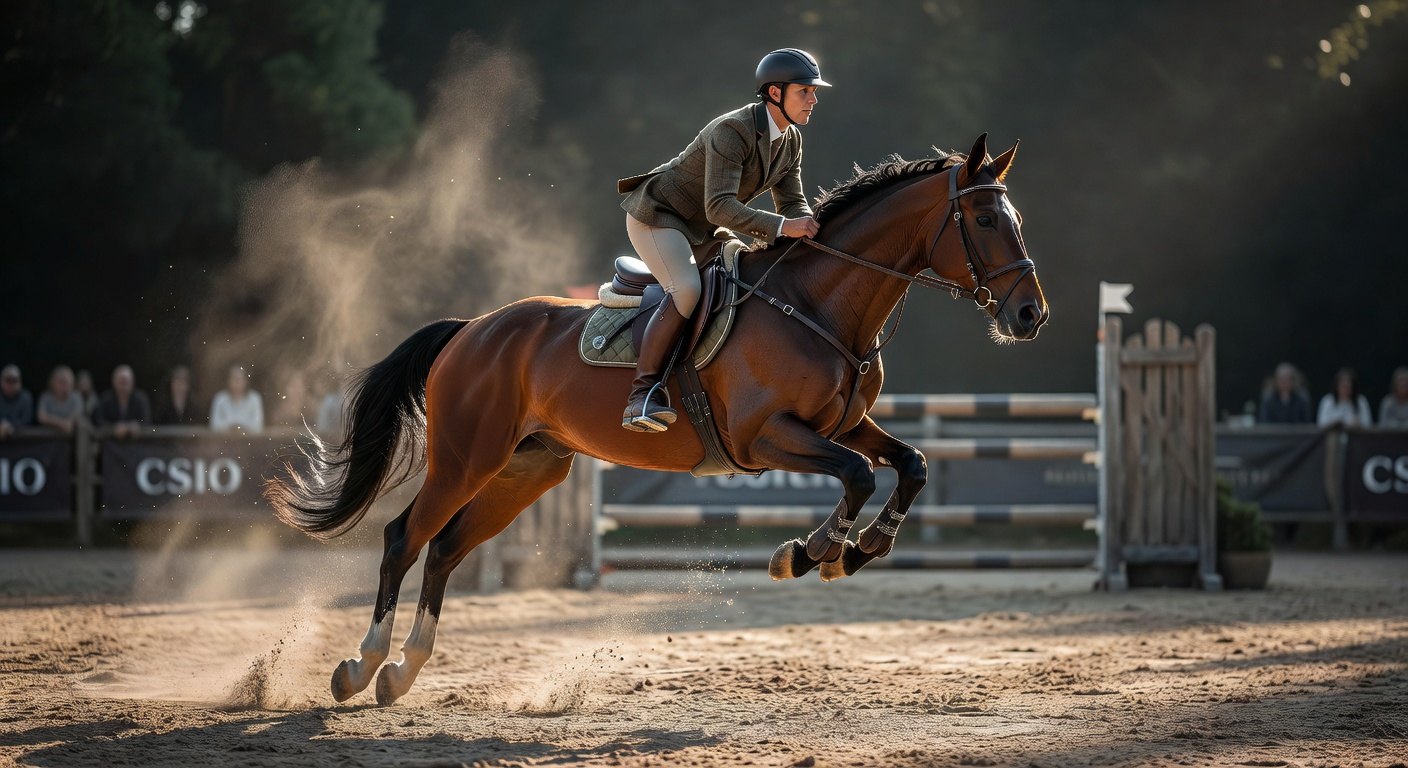
Three years ago we had a horse almost everyone wanted: a scopey, flashy six-year-old gelding who jumped like he had something to prove. We had four serious enquiries in the first fortnight, and the strongest one came from a talented junior rider whose parents were ready to sign that week.
The horse everyone wanted
On paper it was an easy sale. Good horse, good money, an eager buyer. Under saddle it was a different story. The horse was strong, opinionated, and needed a rider who could get in front of that opinion before it became a habit. The junior riding him was talented but new to horses with that much engine, and every lesson we watched ended the same way: a small argument the horse was winning.
Our head trainer watched three of those lessons before saying anything to us directly. His note afterward was short: right horse, wrong year. That single line ended up mattering more than every enquiry we had received.
The phone call we made instead
We called the family and told them we did not think this was the right horse for their daughter, not that year. It was not a comfortable conversation. We had spent weeks building a relationship with a buyer who trusted us, and the easiest thing to do would have been to let the vetting decide it instead of saying so ourselves.
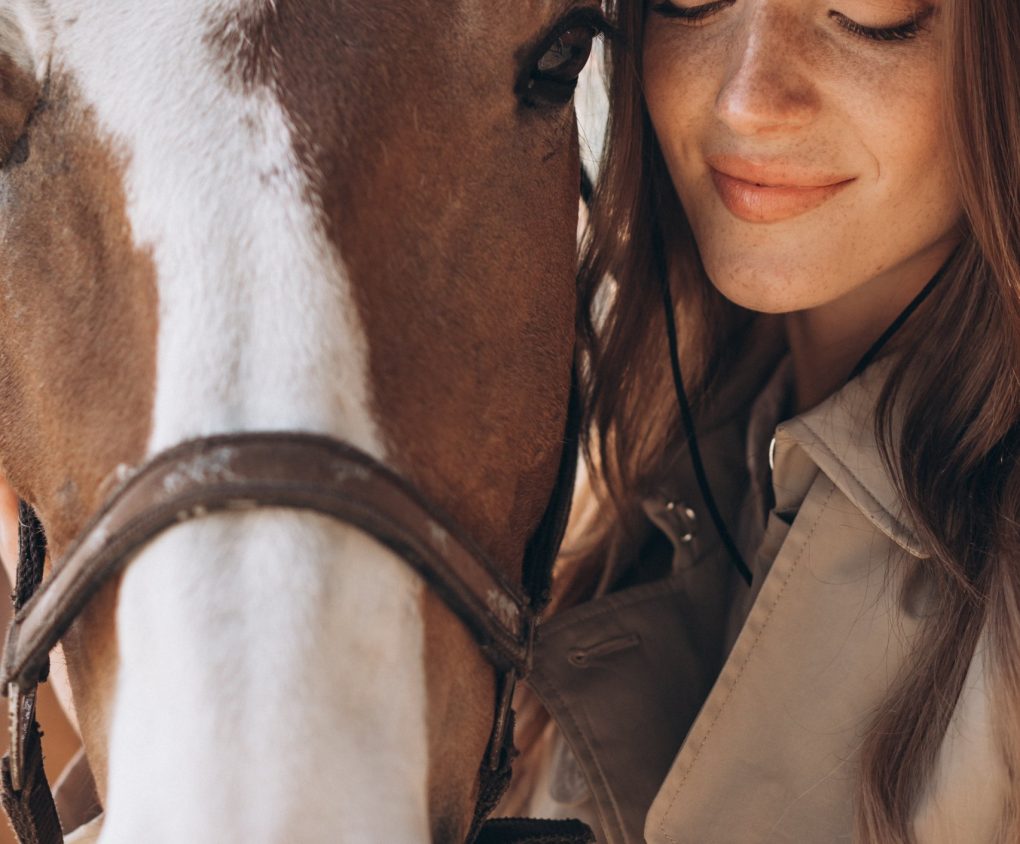
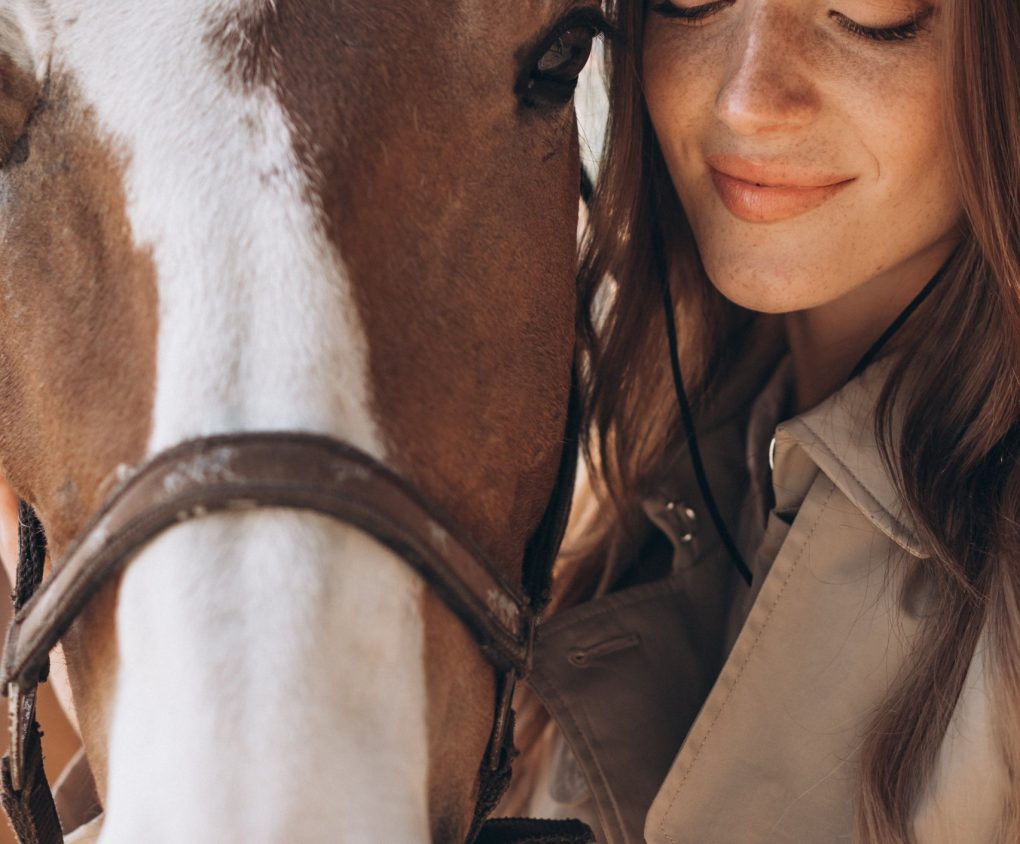
We offered two things instead: a quieter horse from our own yard that suited her level honestly, and an open invitation to come back for the gelding in a year or two, once she had the miles to match him. She took the quieter horse. Eighteen months later she came back for something with more scope, and by then she was ready for it.
A sale that goes wrong six months later is not a sale we made. It is a problem we handed someone else and called a success too early.
It would have been easy to justify the sale at the time. The vetting was clean, the parents were willing, and the horse was, by any objective measure, a good one. None of that changes the fact that a rider and a horse either fit each other or they do not, and no amount of paperwork turns a mismatch into a match. We had seen enough sales go wrong for exactly this reason to recognise it early, and recognising it early was the only part that took any real judgement.
The gelding sold two months after that to a professional rider who wanted exactly the horse he was. Everyone involved in that first almost-sale is still a client, still a friend, and still sends us photographs of the horse she did buy, jumping better every season.

We tell this story more often than is probably good for our own reputation as a business, because it is the clearest example we have of a rule that guides everything we sell: a horse is only a good sale if it is still a good match in a year. Anything faster than that is a guess dressed up as a decision.