Every sales video is edited by someone who wants you to buy the horse. That is not dishonest on its own; a good editor simply removes the dead air and shows the horse at its best. The skill worth developing as a buyer is not watching the video for what it shows you. It is watching it for what it has chosen not to.
What the cuts are hiding
A three-minute video assembled from an hour of filming has, by definition, left out fifty-seven minutes. Most of that is unremarkable: walking between exercises, a rider adjusting stirrups, nothing worth your attention. Occasionally it is the transition that took four strides longer than it should have, or the moment before the first jump where the horse hesitated and had to be ridden through it.
Four questions worth asking before you watch
- Is this the only footage, or one clip taken from several sessions?
- Was it filmed on the same day as the vetting, or months apart?
- Can I see the halt and the first few strides of walk, not just the work?
- Is there footage of the horse somewhere other than its home arena?
None of these questions are accusations. A seller who has nothing to hide will usually be glad to answer them, because the answers make the horse look better, not worse. A seller who bought the horse a week ago and is reselling it on a single clip from the previous owner is a different conversation, and worth having explicitly rather than assuming.
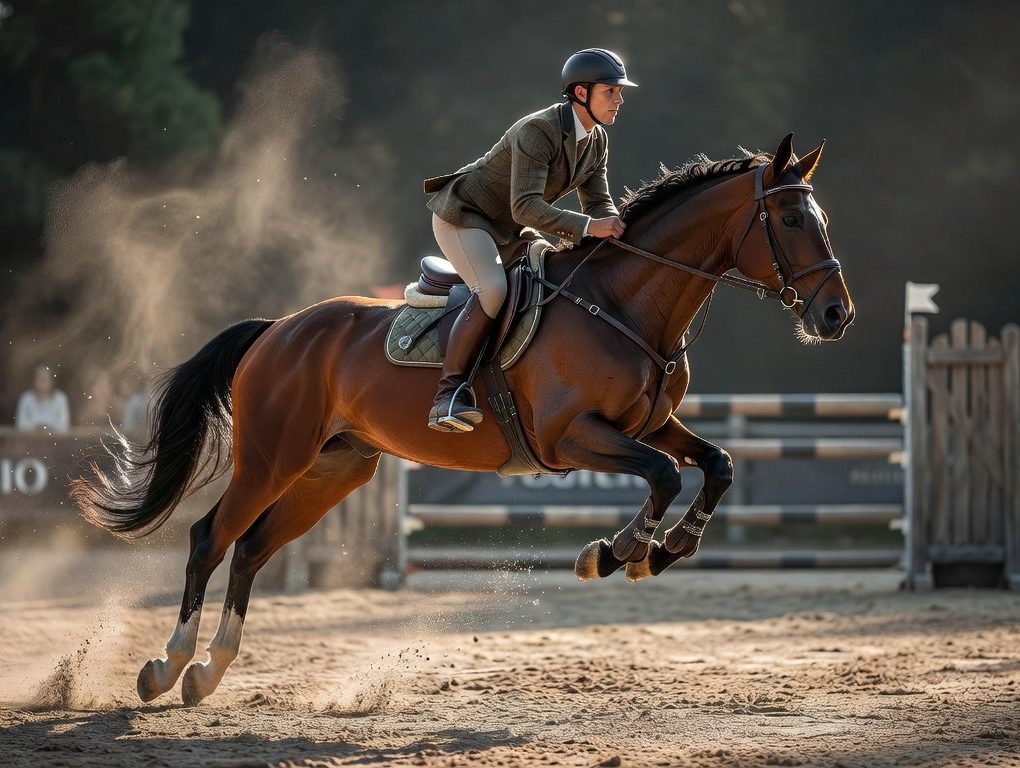
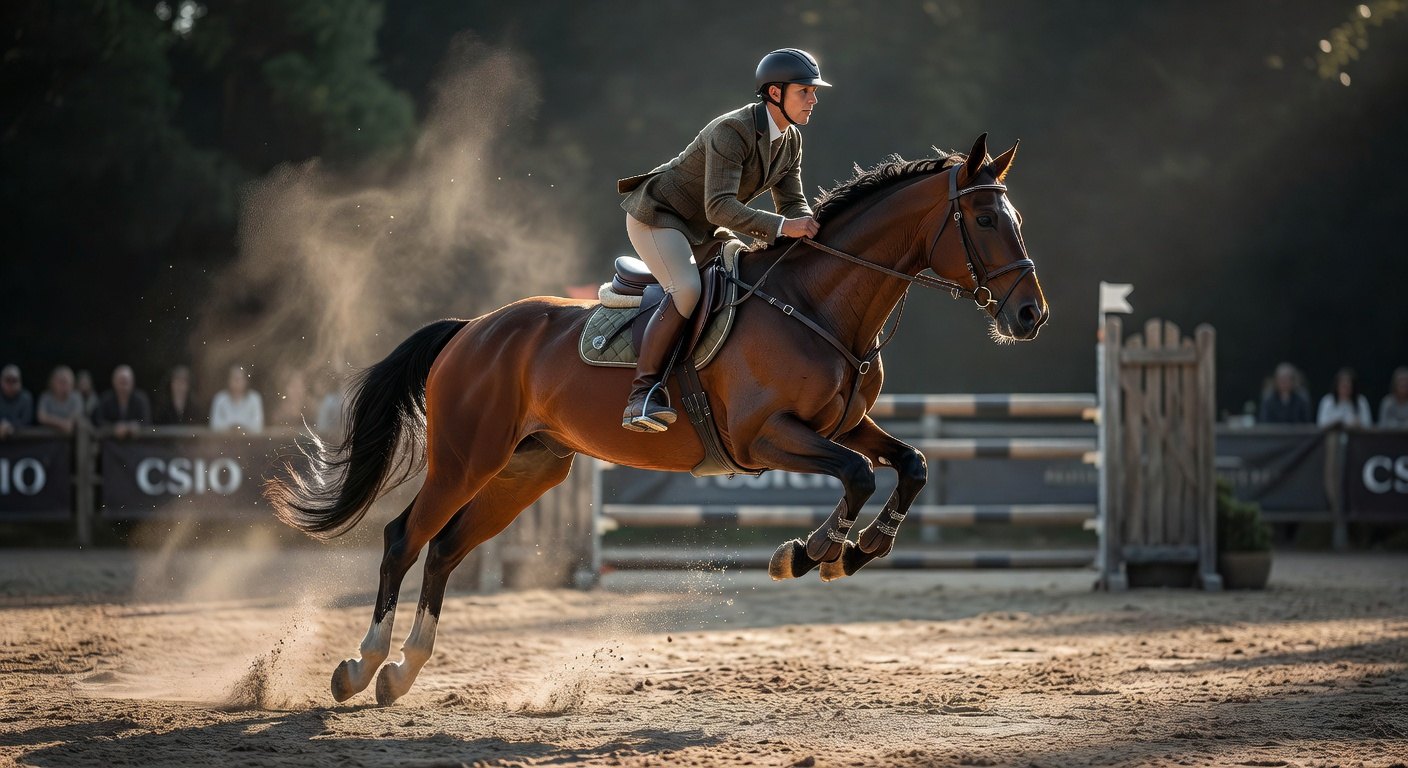
Watch the ears and the tail before you watch the jump. The jump is where the horse is trying hardest to do what it is told. The walk between fences is where you see what it actually thinks about doing it.
That habit, of watching the quiet moments rather than the highlights, tells you more about a horse’s temperament in ninety seconds than a highlight reel tells you in three minutes. It is also, not coincidentally, exactly what we film for our own sales videos: the whole session, lightly cut, rather than a highlight reel built to hide the parts that matter.
Watch it more than once, and watch it differently the second time
The first viewing of any sales video is for the horse: does it move well, does it jump cleanly, does it look like the level you are shopping for. The second viewing should be for the rider instead. How much leg is being used to keep the canter going. How often the hand is checking rather than simply steering. A horse doing most of the work for a quiet rider tells you something very different from a horse being held together for the camera.
It is worth doing this before you travel, not after. A horse that needed a strong ride to look effortless on video usually needs the same ride in the flesh, and it is a far cheaper lesson learned from a laptop than from a viewing that has cost you a flight.
A video should earn you a trip to see the horse in person, not replace one. Treat it as the first filter, not the final answer, and you will arrive at the yard already knowing which questions to ask.